



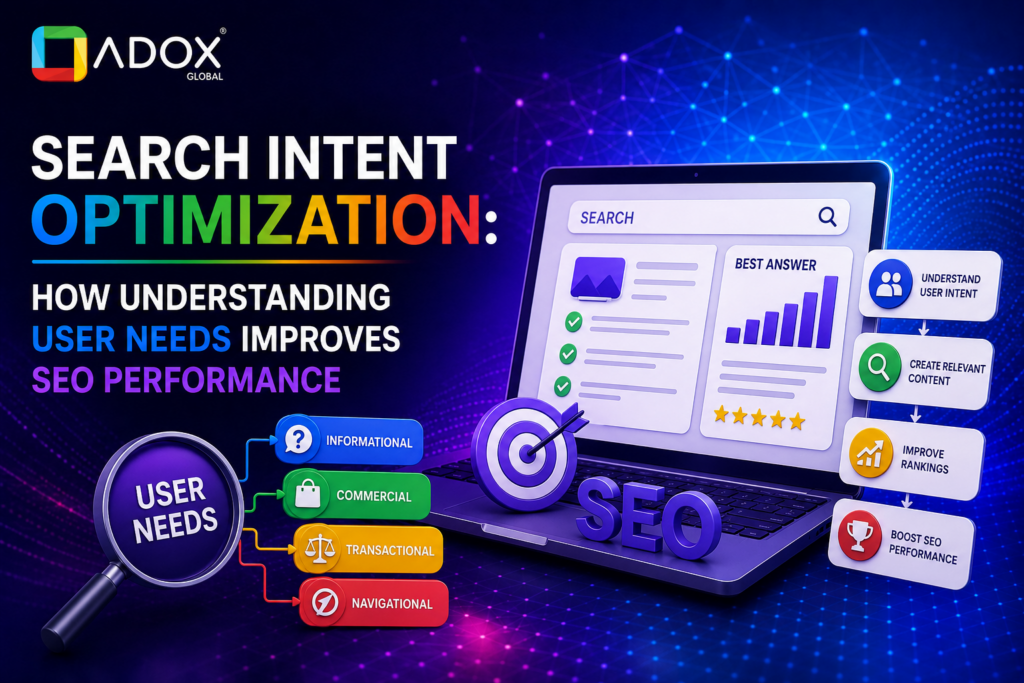
Search Intent Optimization: How Understanding User Needs Improves SEO Performance
SEO is more than just driving traffic to a site. The real point is about attracting customers who are exactly looking for your service or product. Search intent optimization comes into play here.
Search engines have evolved now more than ever before; their prime focus is on what the searcher is likely to want. Content that can satisfy this search intent has higher chances of ranking up, engaging the readers, and getting people to stay on your page.
Understanding Search Intent and Its Importance in SEO
Search intent is the reason behind every search. It explains what a person hopes to find after typing a query into Google.
For example, someone searching “how to improve website speed” wants useful information. Someone searching “website speed optimization service” is likely looking for a company to help. Although they may seem similar, each search requires a different type of content.
Companies can go beyond just answering the question by understanding what the user is looking for in search intent in SEO.
Different Types of Search Intent
Most online searches fall into four categories.
- Informational Intent : Users want to learn something. Blog posts, guides, tutorials, and educational content work best.
- Navigational Intent : Users already know the website or brand they want and use Google to reach it quickly.
- Commercial Intent : Before selecting some product or service, most people start comparing them. In this case, user reviews, comparisons, and purchasing guides end up being really helpful.
- Transactional Intent : At the finish line, users are ready to do something concrete like placing an order, booking a service, or submitting a request for a quote.
Getting a clear handle on these categories boosts the usefulness of keyword intent analysis, and it also helps with creating content that fits the right crowd, not just everyone in general.
Why Search Intent Matters More Than Keywords
Using keywords alone is no longer enough.
Lately, search engines tend to check if a page really answers what the person is asking. Rankings can take a hit when visitors leave quickly, because it seems they did not find the thing they wanted.
Like, imagine someone typing “SEO checklist” and expecting clear, actionable guidance, not some page stuffed with advertisements. As you keep matching those user needs, your SEO results improve, and the overall user experience gets better too.
How to Analyze User Intent Before Creating Content
A good SEO content strategy starts with understanding user intent.
Look at the pages already ranking for your target keyword. Are they blog posts, service pages, videos, or product pages?
To figure out what people actually want, search for similar queries and the most common “frequently asked questions”. Also, think about what specific details buyers need next, and where they are in the decision process. For example, are they only browsing, comparing a couple options, or ready to decide, because that changes what you should display.
This simple search intent analysis helps you create content that is useful from the start.
Creating Content That Matches User Expectations
Once you understand the user’s objective, start by giving short, helpful answers.
Use plain wording, quick paragraphs, clear headings, and relevant examples. Answer the main question right away, and don’t add extra stuff that nobody asked for.
If readers want a guide, provide clear steps. If they are comparing services, include helpful comparisons. Content that matches expectations builds trust and encourages visitors to stay longer.
Optimizing Existing Content Based on Search Intent
You do not always need new content to improve SEO. Existing pages can often perform better with a few updates.
Look over the pages that get a lot of traffic, but not much engagement. Try to see if those pages answer what the user is asking. It might be necessary to offer more direct and pertinent details, if they don’t get the meaning.
Also, refreshing the previous info, making the whole site feel simpler to read, and reworking the headlines so they help the user more, or so they align with the goal better, those things are important parts of a solid content optimisation strategy.
The Role of Search Intent in Rankings and Conversions
Content that matches search intent creates a better experience for visitors.
People stay longer, explore more pages, and are more likely to contact your business or request a service. These positive signals can improve organic search performance over time. Instead of attracting random visitors, Search intent optimization helps bring people who are genuinely interested in your business.
Best Practices for Building User-Focused SEO Strategies
A successful user-focused SEO strategy starts with understanding people before search engines.
Some useful SEO best practices include:
- Understand the user’s goal before choosing keywords.
- Match the content format with search intent.
- Write naturally without keyword stuffing.
- Keep content updated and accurate.
- Use clear headings and simple navigation.
- Review performance and improve content regularly.
Conclusion
In SEO, ranking for keywords isn’t the only thing that really matters anymore. It is more about figuring out what people genuinely want, then offering products or services that feel useful. Firms who focus on search intent instead of just chasing the “right” terms often get better visibility over time, and they also end up building a more solid connection with their target audience.
At Adox Global, we craft user-focused SEO approaches. This plan starts with understanding search intent, and then supplying meaningful content, from how the pages are designed to how they’re optimized. The result is better visibility, more engagement, and that steady growth online, over time.
FAQs
1. What is Search Intent Optimization?
It is the process of creating content that matches the purpose behind a user’s search, helping improve relevance and SEO performance.
2. Why is search intent important in SEO?
It helps search engines understand that your content answers user needs, leading to better rankings and engagement.
3. How can I identify user search intent?
Study search results, related questions, competing pages, and the type of content Google ranks for your target keyword.
4. Does search intent improve conversions?
Yes. When content matches user expectations, visitors are more likely to trust your website and take action.